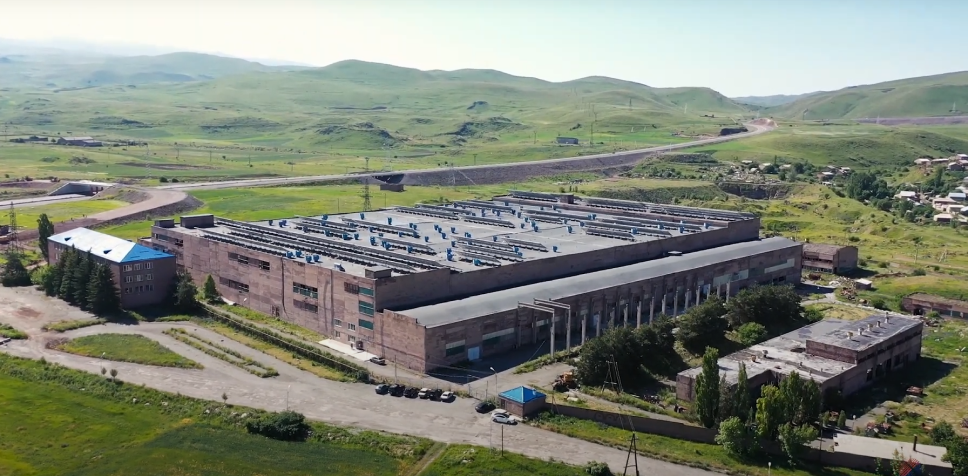
The textile industry is undergoing a global transformation, shifting from linear consumption to a circular model where materials are reused, recycled, and given a second life. In this global context, Armenia has taken an important step forward. Since 2019, the textile recycling factory in Maralik has been working to reduce waste and turn discarded fabrics into valuable fibers. Today, the factory is entering a new stage of growth.
Expanding Capacity and Innovation
Over the past year, the factory has:
- Increased its recycling capacity – processing more textile waste and preventing tons of materials from ending up in landfills.
- Introduced renewable energy solutions – solar panels and a hydropower station now supply clean electricity to the facility.
- Upgraded recycling technologies – ensuring higher quality fibers that meet the standards of both local and international markets.
These changes allow the company to scale operations while keeping sustainability at the core of its mission.
Environmental Benefits
The impact of the factory can already be measured in tangible results:
- Water savings: Recycling requires significantly less water compared to traditional cotton production.
- Lower carbon footprint: Using renewable energy and advanced technology reduces CO₂ emissions.
- Waste reduction: Thousands of kilograms of fabric waste are now being transformed into new fibers instead of being burned or buried.
“Our goal has always been more than just recycling textiles — it’s about proving that Armenia can lead in sustainable innovation. Every kilogram of waste we transform is a step towards a cleaner future for our country and the world.”
— John Doe, Founder of CIRCULLARTEX
Conclusion
The Maralik factory demonstrates that Armenia can play an active role in the global sustainability movement. By combining advanced technologies, renewable energy, and a commitment to circular production, the company is not only protecting the environment but also shaping a greener future for the textile industry.